Skip to content
Search for...
Products
Screws
Screws
Sheet metal screws
Handles – Specialist Products
Nuts
Wood and pvc screws
Lindapter
Washers
Frame dowels and universal dowels
Photovoltaics
Structure fixings
Rivets and blind rivet nuts
Steel structures
Mechanical and chemical anchors
Dowels-pins-studs
Flange connections
Flange connections
Studs - rods
Dowels – LUBRICANTS
Security fasteners
Security fasteners
Foundation bolts
Rings – Cotter Pins
Roofs
Push screws
Adjustable Clamps – Clamps
Technical information
Metal screws
Rope Accessories – Rope Clamps
Inquiry
Contact
About us
News
Good to know
Search for:
Search Button
Navigation Menu
Navigation Menu
Products
Screws
Screws
Sheet metal screws
Handles – Specialist Products
Nuts
Wood and pvc screws
Lindapter
Washers
Frame dowels and universal dowels
Photovoltaics
Structure fixings
Rivets and blind rivet nuts
Steel structures
Mechanical and chemical anchors
Dowels-pins-studs
Flange connections
Flange connections
Studs - rods
Dowels – LUBRICANTS
Security fasteners
Security fasteners
Foundation bolts
Rings – Cotter Pins
Roofs
Push screws
Adjustable Clamps – Clamps
Technical information
Metal screws
Rope Accessories – Rope Clamps
Inquiry
Contact
About us
News
Good to know
Search for:
Search Button
Close
Home
\
Rivets and blind rivet nuts
\
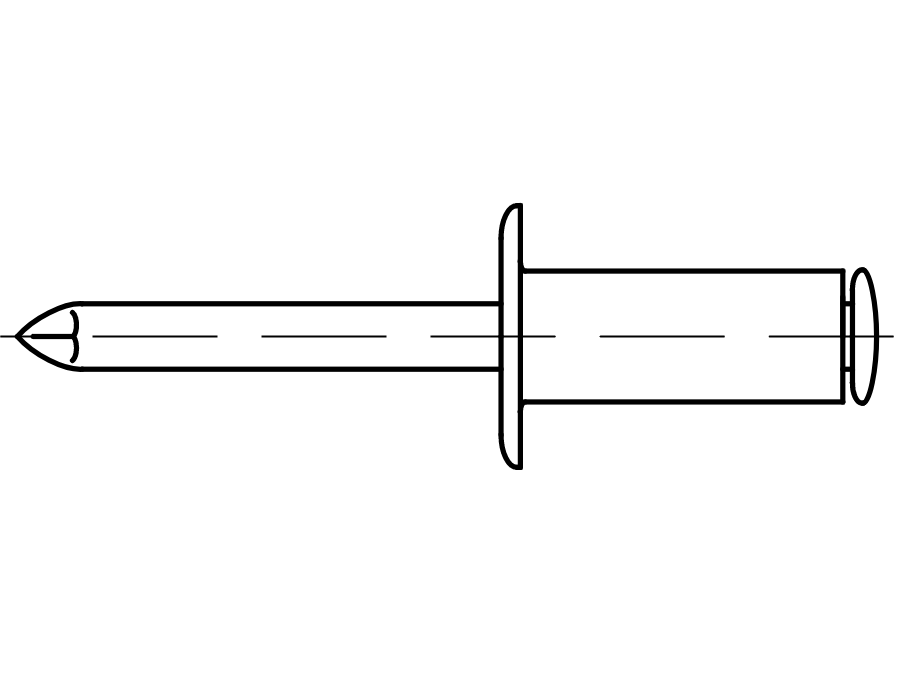
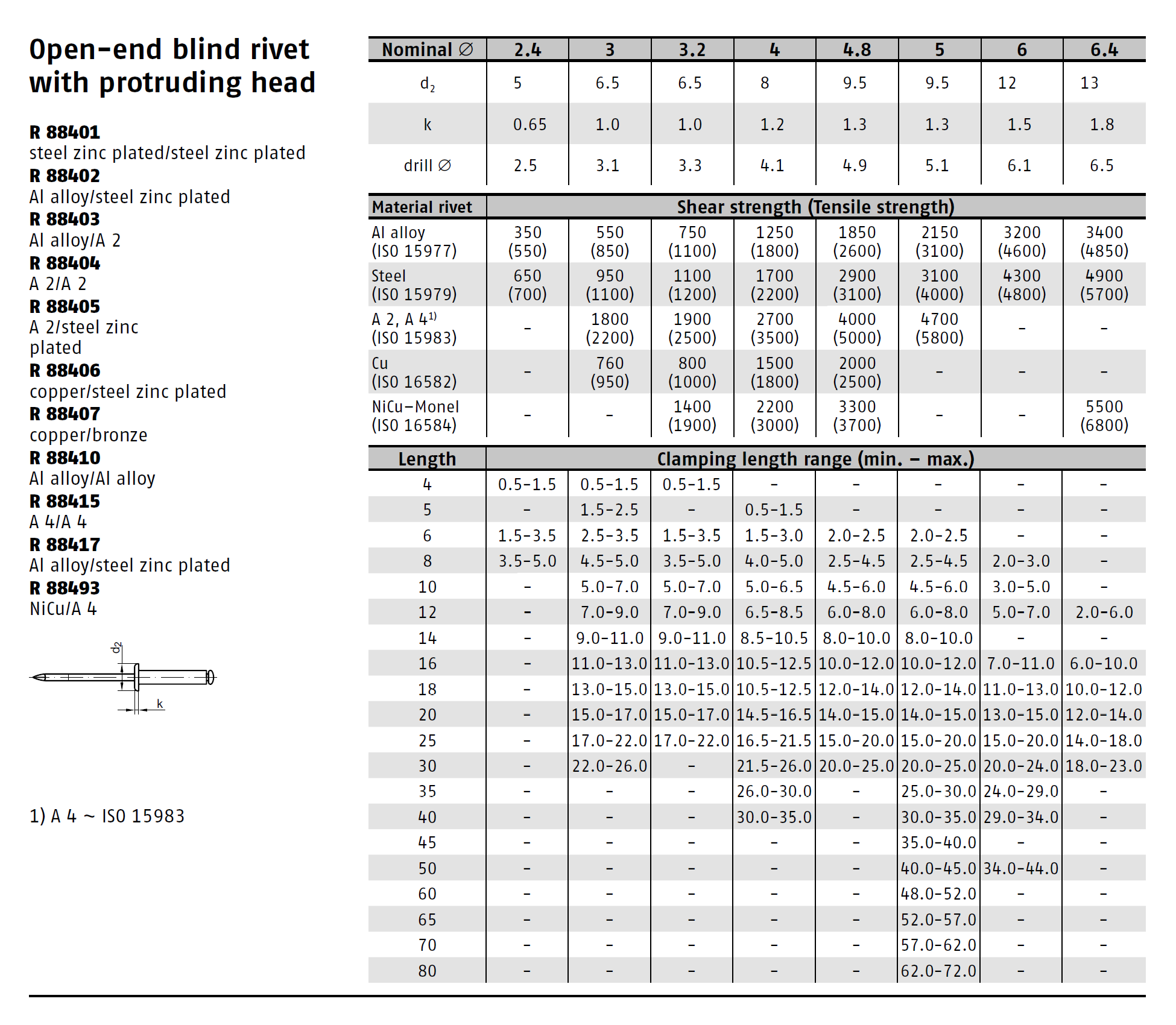
EB 88401 / DIN 7337 A / ISO 15977 / PN 82971 flat head blind rivets
EB 88401 / DIN 7337 A / ISO 15977 / PN 82971
flat head blind rivets
ATTRACTIVE PRICES
SPEED
PRODUCT AVAILABILITY
Blind rivets with flat head
Standards
EB
88401
DIN
7337A
Mon
82971
ISO
15977
Material and Class:
: AL-ST / AL-AL / AL-A2 / ST-ST / A2-A2 / A4-A4 / CU-ST
Coating
: galvanic zinc
[ZN]
/ painted
RAL
Category:
Rivets and blind rivet nuts
send inquiry
Description
Inquiry
Please send us your e-mail address and information about the quantity you need, and we will immediately send you an offer for them.
ATTRACTIVE PRICES
SPEED
PRODUCT AVAILABILITY
Please enable JavaScript in your browser to complete this form.
Product
*
Please enter your email address:
*
Please enter your demand for this product and other products:
*
Information clause:
*
privacy policy
The administrator of your personal data is EUROBOLT Industry Sp. z o. o., Sp. k. with its registered office in ul. Międzyrzecka 188, 43-300 Bielsko-Biala. The data will be processed in order to answer the inquiry submitted via the contact form. Providing data is voluntary, but necessary to answer the inquiry. You have the right to access and correct your data. Personal data will be stored for the period necessary to achieve the purpose for which they were collected. More information on the processing of personal data can be found in our Privacy Policy
Ask for a product
Similar products
EB 88404
blind rivets with flat head expanding (banana)
EB 88412
blind rivets tight with countersunk head
EB 88424 R
knurled rivet nuts tapered flange
EB 88423 R
knurled rivet nuts cylindrical flange
English
English
Polski





 English
  Polski